
Refractory bricks are essential materials for industries that operate under extreme heat and demanding working conditions. From steel plants and foundries to cement factories, glass units, and industrial furnaces, these specialized bricks provide thermal protection and help maintain the structural integrity of high-temperature equipment. With India’s expanding industrial sector, refractory bricks manufacturers in india are supplying a wide range of products designed to meet diverse thermal, mechanical, and chemical requirements.
What Are Refractory Bricks?
Refractory bricks are specially engineered masonry products capable of withstanding very high temperatures without melting, deforming, or losing their essential properties. They are manufactured from selected refractory minerals and raw materials and processed under controlled conditions to achieve specific performance characteristics.
Different refractory bricks are designed for different applications. Depending on the operating environment, manufacturers may produce fireclay, high-alumina, silica, magnesia, and other specialized refractory grades. Each type offers particular advantages based on temperature, chemical exposure, abrasion, and thermal cycling.
Importance of Quality Refractory Bricks
Industrial furnaces and kilns are exposed to continuous thermal stress. Using unsuitable materials can result in cracking, erosion, heat loss, and frequent maintenance. High-quality refractory bricks provide a protective barrier between intense heat and the equipment’s structural components.
A properly selected refractory lining can help improve thermal efficiency, protect furnace walls, and support longer operating periods. Refractory bricks also offer mechanical strength and resistance to chemical attack, making them suitable for challenging industrial environments.
Role of Refractory Bricks Manufacturers in India
Refractory bricks manufacturers in India play an important role in supplying customized and standard refractory products to businesses across different sectors. Indian manufacturers often provide bricks in various shapes, sizes, densities, and compositions to match specific furnace designs.
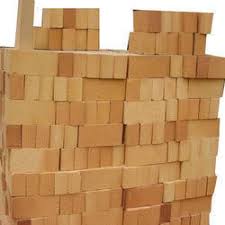
Manufacturing facilities generally use controlled production processes to achieve dimensional accuracy and consistent product performance. Quality testing may include evaluation of refractoriness, bulk density, porosity, compressive strength, thermal conductivity, and resistance to thermal shock.
For industrial buyers, working with an experienced manufacturer can provide access to technical guidance and products suited to specific operating conditions.
Major Industrial Applications
Refractory bricks are used extensively in steel and iron foundries, where furnace linings must withstand molten metal and intense heat. Cement plants use specialized refractory products in rotary kilns, preheaters, and other high-temperature zones.
Other applications include glass furnaces, ceramic kilns, boilers, incinerators, non-ferrous metal processing units, heat-treatment furnaces, and industrial ovens. The appropriate refractory grade depends on factors such as operating temperature, furnace atmosphere, fuel type, abrasion, and chemical interaction with slag or molten materials.
Benefits of Sourcing from Indian Manufacturers
India has a growing network of refractory producers serving both domestic and international customers. Local sourcing can provide several advantages, including competitive manufacturing costs, easier communication, flexible order quantities, and convenient logistics.
Manufacturers may also offer customized shapes for complex furnace structures. For distributors and large industrial projects, reliable production capacity and consistent quality can be especially valuable when significant quantities are required.
How to Select the Right Manufacturer
Choosing the right refractory supplier involves more than comparing product prices. Buyers should evaluate manufacturing experience, raw-material quality, technical specifications, quality-control procedures, production capacity, and delivery reliability.
It is also important to communicate the exact operating conditions to the manufacturer. Information about temperature, furnace type, chemical exposure, mechanical stress, and application area can help determine the most appropriate refractory brick.
Conclusion
The demand for durable high-temperature materials continues to grow across India’s industrial landscape. Refractory bricks manufacturers in India provide essential solutions for protecting furnaces, kilns, boilers, and other heat-intensive equipment.
By selecting refractory bricks according to operating temperature, chemical conditions, mechanical requirements, and installation needs, industries can achieve dependable furnace protection and potentially improve equipment service life. Partnering with an experienced manufacturer can further ensure consistent quality, technical support, and a refractory solution tailored to specific industrial requirements.