
materials are compatible with plated castings
The effectiveness and longevity of plated castings heavily depend on the compatibility between the base casting material and the chosen plating metal. This symbiotic relationship determines not only the adhesion and integrity of the plated layer but also the overall performance of the finished component. Understanding what materials are compatible with plated castings is therefore crucial for engineers and manufacturers aiming to achieve specific functional, aesthetic, and protective attributes. Generally, the most common casting materials include various irons, steels, aluminum alloys, and zinc alloys, each presenting unique considerations for surface treatment.
When considering iron and steel castings, the compatibility for plating is generally high. Cast iron, particularly gray and ductile iron, can be effectively plated with a variety of metals such as nickel, chromium, copper, and even precious metals. The primary challenge lies in proper surface preparation to remove scale and ensure a clean, active surface for adhesion. Steel castings, including carbon and stainless steels, also readily accept plating. The choice of plating material often hinges on the desired corrosion resistance, wear properties, or decorative finish. For instance, a nickel-chrome combination is popular for both aesthetic appeal and robust protection in many applications involving plated castings made from ferrous materials.
Aluminum alloys present a slightly more complex scenario for plating due to their naturally forming, tenacious oxide layer. This oxide must be meticulously removed and typically replaced with a zincate or similar immersion coating prior to the main electroplating step. Once this preparatory layer is established, aluminum plated castings can effectively receive platings of copper, nickel, and subsequently other metals like chrome or tin. The selection of the specific aluminum alloy also plays a role, as some are more amenable to plating processes than others. Despite the added steps, the lightweight properties of aluminum combined with the enhanced surface characteristics from plating make them highly desirable in industries like aerospace and automotive.
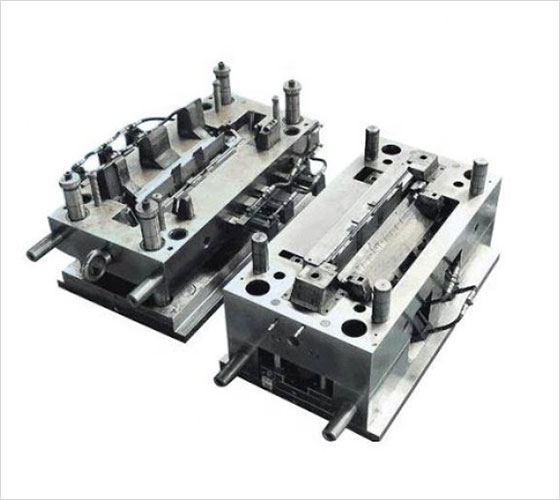
What materials are compatible with plated castings?
Zinc alloys, particularly die-cast zinc, are exceptionally well-suited for plating, making them a very common choice for plated castings. Their excellent castability for intricate shapes combined with their inherent receptiveness to plating processes allows for a wide range of surface finishes. zinc plated castings are routinely seen with finishes like nickel, chromium, brass, and even gold. The surface preparation for zinc castings is typically less involved than for aluminum, making the plating process more straightforward and cost-effective. The ability to apply a robust zinc plated finish often adds significant corrosion protection and aesthetic appeal to the final product.
Beyond the primary casting materials, the choice of plating metal also dictates compatibility. For instance, copper is often used as an initial strike layer on various substrates due to its excellent adhesion properties, acting as a bridge for subsequent layers of nickel or chrome. Nickel plating provides excellent corrosion resistance and serves as a good base for chrome, which offers hardness and a bright finish. Precious metals like gold and silver are utilized for their electrical conductivity and tarnish resistance, typically applied over nickel or copper underlayers. The entire plating sequence must be carefully designed to ensure metallurgical compatibility and long-term performance of the plated castings.
In conclusion, the compatibility of materials for plated castings is a multi-faceted consideration involving both the base metal’s inherent properties and the chosen plating layers. While most common casting alloys can be successfully plated, the specific surface preparation and plating sequence must be tailored to achieve optimal adhesion and performance. This intricate relationship between the cast substrate and the applied coating is what enables plated castings to meet the rigorous demands of diverse industrial applications, providing components with enhanced durability, functionality, and aesthetic appeal.